Why Artificial Roof Covering Chicago Projects Require Climate-Smart Materials
Chicago does not forgive weak roof covering decisions. A roof below needs to endure freeze-thaw cycles, lake-effect wind, summer season warmth, driven rain, hail, ice dam conditions, and the sort of temperature swings that subject every faster way in style and installation. That truth is why much more proprietors, engineers, and home builders are looking very closely at artificial roofing systems, especially on homes where look matters as much as lasting performance.
The discussion is not merely about choosing a roof covering that looks excellent on day one. It is about selecting a material system that can deal with the regional environment without demanding consistent repair services, early replacement, or concessions in visual appeal. In the Chicagoland market, where a roof covering could be asked to mimic slate, cedar, or shake while still fulfilling modern-day expectations for longevity, climate-smart material option matters greater than advertising and marketing language.
Synthetic roof has actually grown well past its very early credibility. The very best items now integrate crafted polymers, UV stabilizers, impact resistance, color consistency, and lighter weight in ways that address useful issues on actual homes. For a synthetic roofing Chicago task, that combination can be particularly important, provided the item and the installer are both selected with care.
Chicago weather condition is not one trouble, it is a number of stacked together
Many roof covering conversations decrease environment efficiency to a solitary concern, normally snow or wind. In Chicago, the difficulty is collective. A roof covering can cook under solid summer season sunlight, then rest under ice and snow months later on. It can be completely dry one week and hit with wind-driven rain the following. Those duplicating cycles break materials not simply with huge storms, yet with constant development, contraction, dampness direct exposure, and surface abrasion.
Natural materials can be attractive, yet they come with well-known vulnerabilities in this climate. Cedar can absorb dampness, weather erratically, and demand routine maintenance to remain in form. All-natural slate is long lasting, yet heavy, weak under influence, and costly to fix when individual pieces crack or slip. Traditional asphalt continues to be common, but several typical items merely do not deliver the same style worth or service life expected on higher-end homes.
That is where architectural artificial roof gets in the discussion. It supplies the aesthetic character of standard premium products while attending to some of the real-world weaknesses those materials face in a place like Chicago. Weight, impact performance, freeze-thaw resistance, and installation adaptability all become central concerns, not side notes.
Why climate-smart materials matter a lot more on expensive homes
The stakes increase on customized houses, historic-inspired builds, and larger homes with complex rooflines. These jobs typically include valleys, dormers, steep pitches, turret components, long eaves, and various other details that turn a roofing into an architectural feature. When the roof covering projects, property owners want the deepness, appearance, and darkness lines of slate or hand-split cedar. At the same time, they do not want continuous upkeep crews in the driveway.
Synthetic roof for deluxe homes works ideal when it solves both sides of that formula. It needs to look convincing from the street and from close quarters. It additionally has to stay steady on a roof covering revealed to snow tons, thermal activity, and high winds. On exceptional homes, early failing is more than a repair problem. It interrupts appearance, affects resale perception, and can cause expensive downstream damages in trim, outdoor decking, insulation, and interior finishes.
I have actually seen owners invest greatly on outside stone, copper details, and custom-made windows, after that try to save money on the roof covering setting up itself. In the Chicago area, that typically shows up later as deformed training courses, reoccuring flashing leaks, ice dam difficulty, or a roofing system that ages unevenly and undermines the whole elevation. Premium synthetic roofing makes sense when it is treated as part of the building envelope, not as an ornamental afterthought.
Synthetic roof is lighter, which changes the architectural equation
One of the least extravagant yet essential advantages of many artificial roof is weight. All-natural slate can be exceptionally hefty. On some homes, particularly older structures or remodels, setting up true slate might call for significant structural testimonial and reinforcement. That adds price, intricacy, and time.
A quality artificial option typically supplies the slate or tremble take a look at a portion of the weight. For synthetic roofing system replacement work, this can open up choices that would otherwise be hard or impractical. A house owner might achieve the aesthetic effect they want without revamping parts of the roof framework. That can be particularly useful throughout tear-offs on older Chicago-area homes where framework conditions differ and hidden surprises are common.
Lighter materials also help with taking care of on site. Teams can relocate them extra effectively, presented loads can be handled much more meticulously, and specific roofing details end up being much easier to carry out easily. None of that replaces workmanship, but it does enhance the setup atmosphere. In my experience, much better problems commonly result in better workmanship.
Freeze-thaw resistance is where product science earns its keep
A Chicago roof covering does not just get wet. It splashes, freezes, thaws, refreezes, and duplicates the cycle over and over. That pattern penalizes any kind of material that takes in water conveniently or creates small cracks in time. Once wetness goes into susceptible spots, increasing ice can enlarge issues and speed up failure.
High-quality artificial roof covering shingles and ceramic tiles are crafted to limit moisture-related degeneration. The greatest products withstand splitting, splitting, and edge break down under low temperatures. That matters most on revealed altitudes and in roofing system locations where snow lingers. North-facing inclines, shaded valleys, and areas near smokeshaft saddles are where climate-smart choices verify their worth.
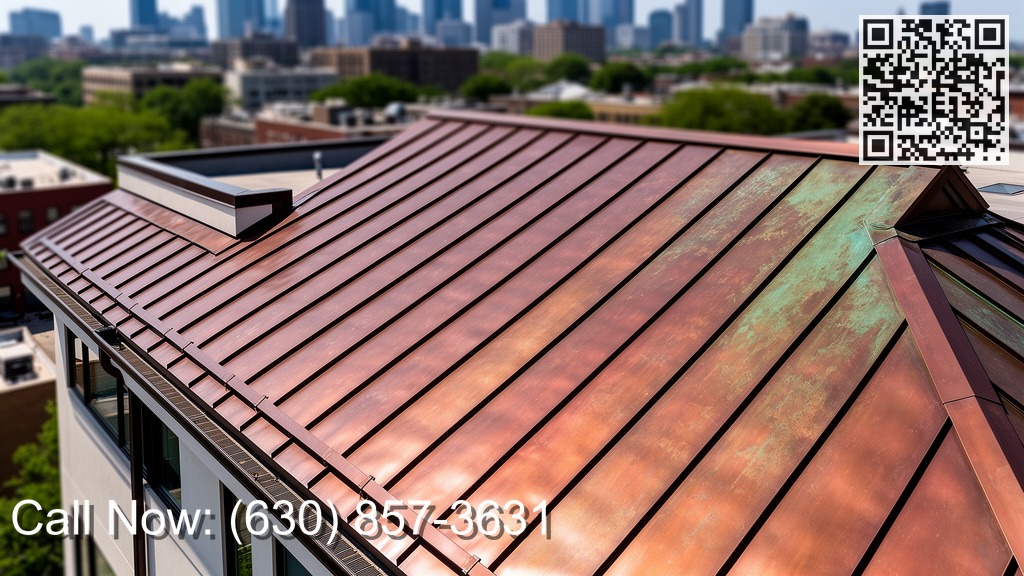
This is also why not all artificial roofing systems are equal. Some lower-end products may look attractive in a pamphlet however react improperly to extended UV exposure, repeated thermal cycling, or influence events. The phrase premium artificial roof covering should imply more than a higher price tag. It needs to mirror testing, shown formulation, reputable production, and a track record sought after climates.
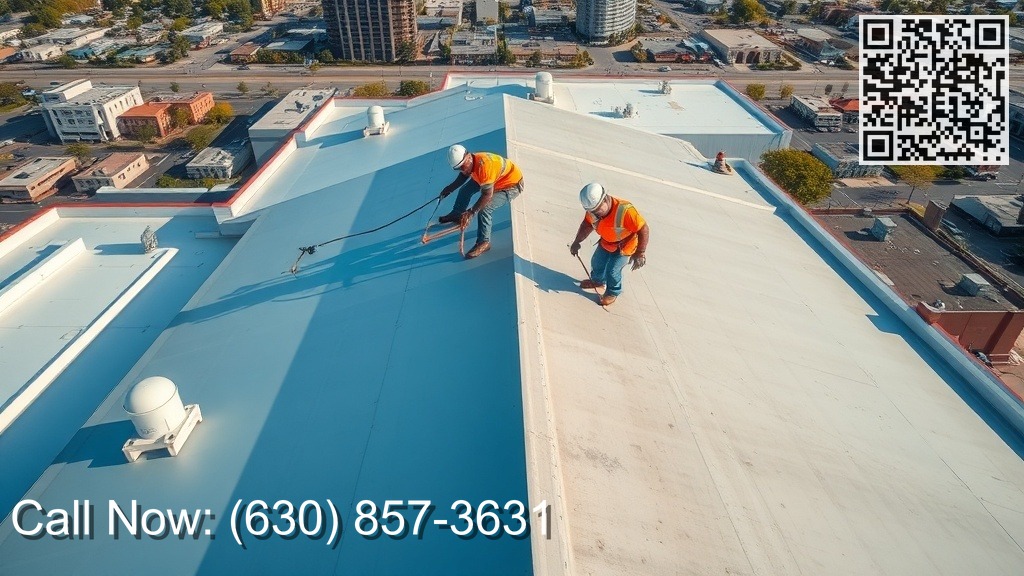
Hail and wind resistance are no longer particular niche concerns
Homeowners throughout the region are a lot more knowledgeable about hail danger than they were a years back. Tornado patterns have actually ended up being less predictable, and more homes are experiencing damage from occasions that would as soon as have actually been considered uncommon. Wind is the other constant. Open up exposures, corner lots, and homes near the lake or along more comprehensive suv corridors can face significant uplift stress and wind-driven rain.
A climate-smart roofing system setting up for this market requires to account for both. Better artificial roof usually use solid impact scores and robust fastening patterns. That does not make them untouchable, yet it can decrease the possibility of fracture, dislodgement, or cosmetic damage severe adequate to require extensive replacement.
For a synthetic roofer Chicagoland home owners can rely on, this is where item knowledge issues. It is not enough to say a roofing is resilient. The specialist must be able to describe exactly how the product is rated, how it is fastened, how it handles edge zones and ridge problems, and whether accessory elements become part of an examined system. That level of clarity is generally a great sign that the firm deals with roof covering as an efficiency self-control instead of a sales script.
Appearance issues, but credibility matters more
There was a time when numerous synthetic roofing items looked certainly artificial. Edges were also consistent, patterns repeated as well predictably, and shades lacked the refined variant seen in natural materials. The best modern items have enhanced considerably. Some architectural synthetic roof accounts currently develop shadow lines, appearance, and density that checked out well from both the ground and closer inspection.
That makes them specifically appealing for household artificial roof in communities where building character lugs weight. Partly of Chicago and the western suburbs, owners desire roofing systems that match Tudor, French Country, Colonial, or modern custom layouts without resorting to materials that might be unwise for the framework or the upkeep budget.
A well-selected artificial roofing can resemble natural slate, hand-split cedar, or developer shake while offering more foreseeable weathering. The word foreseeable matters. With all-natural products, some variant becomes part of the beauty. Yet there is a distinction between patina and deterioration. Synthetic products, when made well, have a tendency to hold visual consistency much better throughout slopes and exposures, which can help the roof look well balanced years after installation.
The installer matters as much as the material
Even the best product can underperform if the crew does not recognize the system. Artificial roof covering installment is not the same as conventional asphalt work, and it must not be treated that way. Format, fastening, starter outlining, ridge transitions, air flow method, underlayment choice, and flashing integration all are entitled to attention.
That is why picking experienced synthetic roof installers is crucial. In the area, the majority of roof failures do not take place due to the fact that a product pamphlet made a false assurance. They happen because details were rushed, infiltration blinking was improvised, valleys were messed up, or air flow was disregarded. On a Chicago roofing, small blunders get enhanced by weather.
A trusted artificial roof company should walk a property owner via the full assembly, not just the noticeable roof covering. Underlayments, ice and water security, attic air flow, decking condition, blinking steels, and drainage information all affect service life. If a proposition focuses just on the tile or ceramic tile itself, that is a caution sign.
Here are a couple of questions worth asking any kind of synthetic roofer before signing an agreement:
- Which certain line of product are you mounting, and why is it matched to this roof and this climate?
- How will you handle susceptible areas such as valleys, eaves, changes, and penetrations?
- What underlayment and ventilation method do you suggest, and exactly how does it support the warranty?
- Have you completed similar artificial roof covering substitute jobs locally that I can review?
- Who manages setup on website, and just how are manufacturer requirements verified?
Those concerns disclose a lot, promptly. Experienced contractors generally address them with confidence and helpful information. Unskilled ones tend to wander back toward general claims.
Suburban tasks bring their very own considerations
An artificial roof Naperville IL task might face different site conditions than a thick city roofing system in Chicago appropriate, yet the environment reasoning remains the very same. Suv homes usually have larger roofing system impacts, more intricate altitudes, and greater exposure to crosswinds. Mature trees can include shade, particles, and wetness retention in some locations, while open class can leave roofs fully exposed in others.
In Naperville, Hinsdale, Glen Ellyn, Barrington, and comparable communities, design expectations are commonly high. House owners might want the visual splendor of cedar shake or slate without the repeating upkeep concern. That is where residential artificial roofing commonly makes a compelling case. It can meet building assumptions while lowering worries concerning rot, brittleness, inconsistent weathering, or extreme architectural load.
The right selection still depends upon your home. A broad, low-slope transitional home might require a different profile and color blend than a steep-pitched stone house with typical detailing. Excellent specialists do not compel one item onto every project. They match roofing geometry, neighborhood context, budget plan, and performance needs to a system that makes sense.
Energy performance becomes part of the climate-smart discussion
Roofing conversations in the Midwest often center on cold weather, however summer season warm should not be neglected. Dark roofs can absorb significant solar energy, and attic temperatures can rise quickly without correct ventilation. While the roofing system covering alone is not a magic remedy, material choice, color option, and assembly style all influence thermal behavior.
Some synthetic roof covering tiles are available in colors and formulas that better handle solar gain than older, darker products. A lot more significantly, an appropriate synthetic roofing system installment can be coupled with modern underlayments and well balanced air flow strategies that aid the whole assembly carry out more continually. That can sustain interior comfort and lower anxiety on HVAC systems, specifically in upper-story spaces.
This is a location where sensible expectations issue. The roof covering is one piece of a bigger system. Insulation degrees, attic air securing, air vent layout, and air duct placement all form power efficiency. A serious contractor will describe that connection as opposed to overselling a solitary product feature.
Maintenance is reduced, not nonexistent
One of one of the most common misconceptions about synthetic roofings is the concept that they remove maintenance entirely. They do not. What they commonly do is minimize the kind and regularity of upkeep compared with specific natural materials.
A roof still needs regular inspection, specifically after severe storms. Debris needs to be removed from valleys and rain gutters. Flashings still age. Sealants at specific transitions may eventually require attention. Branches can still scuff surfaces. Foot web traffic can still harm badly dealt with locations. The difference is that top quality artificial roofing systems typically ask less of the proprietor gradually while holding look and efficiency more reliably.
A practical upkeep regular usually consists of the following:
- A visual examination each spring and fall.
- A professional roof covering check after major hail storm or wind events.
- Gutter and valley cleansing to stop water backup.
- Prompt fixing of blinking or penetration issues.
- Trimming looming branches that catch moisture or cause abrasion.
That is manageable for many house owners, especially compared to the continuous care some natural roofing products require.
Cost should be judged over the life of the roof
Upfront rate matters, but it ought to not dominate the choice. Synthetic roof covering typically sets you back more than basic asphalt and much less than numerous premium natural materials, though precise prices differs widely by item, intricacy, tear-off problems, and region. The much better comparison is life-cycle value.
If a home owner selects a less costly roof that requires earlier substitute, more repair services, or frequent aesthetic focus, the evident financial savings can go away swiftly. By contrast, costs synthetic roof can make good sense when it expands service life, shields architectural value, reduces upkeep, and prevents structural reinforcement that heavier products may require.
That is specifically pertinent in artificial roofing replacement projects where the proprietor is currently investing https://rylanyktl979.stonefielddigest.com/posts/what-to-anticipate-from-expert-synthetic-roofing-system-setup-in-chicago significant money on tear-off, disposal, flashing job, and site logistics. When the roof is open, it deserves asking whether the selected product will genuinely suit your home and the environment for the next numerous decades.
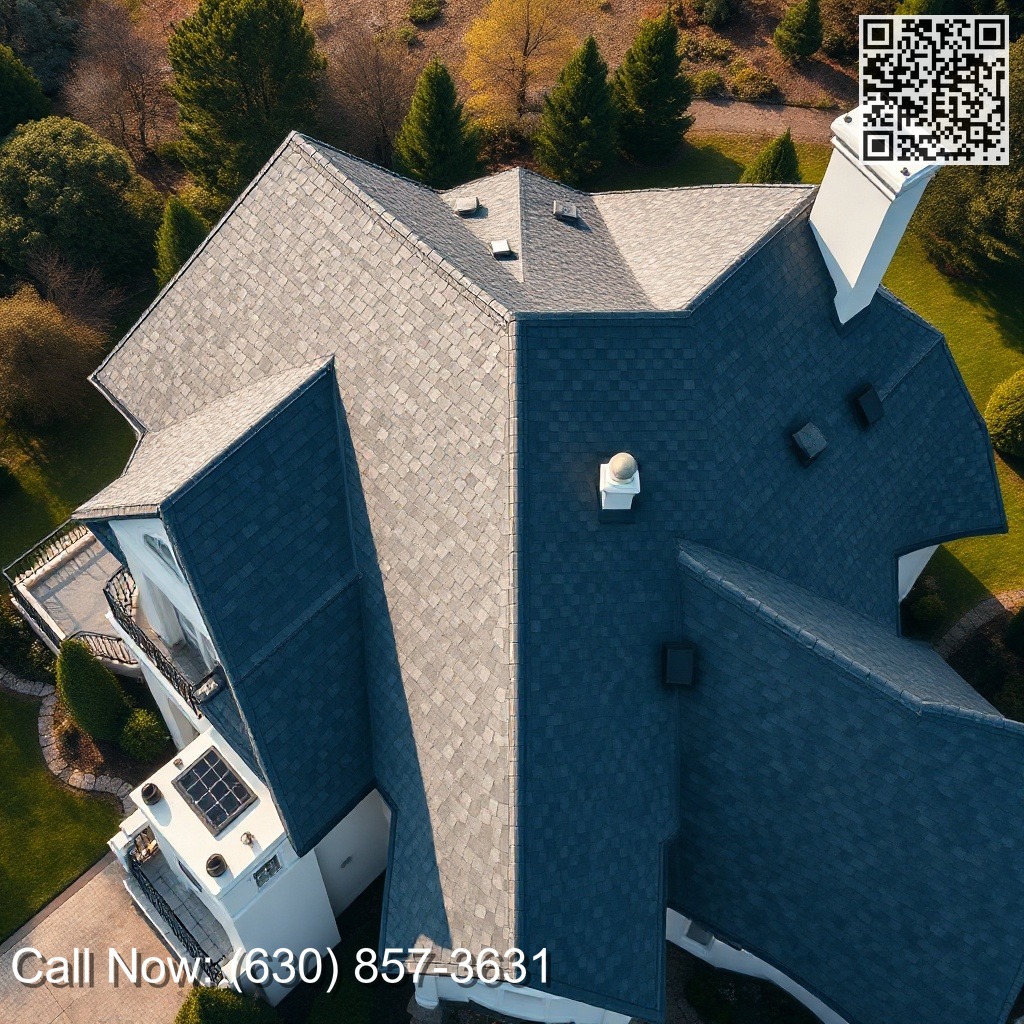
Climate-smart roof covering is really about notified restraint
The finest roof choices in Chicago are hardly ever the flashiest ones. They come from comprehending the structure, the weather, and the compromises. Synthetic roof fits this market when it is picked for functional reasons as high as aesthetic ones. It can provide the appearance of costs standard products while lowering weight, improving strength, and reducing upkeep needs in a punishing climate.
For owners thinking about artificial roofing Chicago alternatives, the objective should not be to go after patterns. It needs to be to choose a material and an installer that appreciate what this environment does to roof coverings time after time. That indicates looking beyond surface look and asking exactly how the roof will certainly do after ten wintertimes, a number of tornado seasons, and long stretches of summer season sun.
When an artificial professional roofer approaches the job this way, the outcome is usually a roofing system that feels precisely your house, performs like it belongs in the region, and holds its worth under problems that subject every weak decision. In Chicago, that is what climate-smart really means.
When Quality Matters
Salvo Architectural Roofing Contractors
566 West 5th Ave Naperville, IL 60563
(630) 857-3631
 Ask ChatGPT
 Ask Grok
 Ask Perplexity
 Ask Claude
 Ask Google AI
 Ask You