Why Artificial Roofing Systems Master Harsh Midwestern Weather Conditions
Anyone who has spent a couple of years owning a home in the Midwest discovers the exact same lesson the hard way: roof products are judged much less by just how they look on a bright afternoon and even more by just how they carry out in late January, during a spring hailstorm, or after a week of freeze-thaw cycles. The roof over a Midwestern home has to deal with heat, subzero cold, ice, wind, sleet, heavy rainfall, and abrupt climate swings that would certainly be uncommon in many various other areas. That mix exposes the staminas and weaknesses of every roof in a hurry.
This is where artificial roofing systems have actually carved out a serious online reputation. Not due to the fact that they are fashionable, and not since they assure some wonder remedy for every roofing problem, however due to the fact that the product science behind them lines up uncommonly well with the environment needs of states like Illinois, Indiana, Wisconsin, Michigan, Iowa, and Missouri. In my experience, homeowners usually begin the conversation concentrated on look, specifically if they admire cedar shake, slate, or various other high-end profiles. By the time the conversation is over, they are generally paying equivalent interest to impact resistance, weight, attaching approaches, maintenance assumptions, and how the roof covering will certainly behave after ten Midwest winters.
Synthetic roofing has matured well beyond the novelty phase. Today's architectural synthetic roof covering products are engineered to imitate natural materials while dealing with much of the vulnerabilities that have historically made those materials challenging to own in extreme climates. For homeowners considering a long-term investment, particularly those considering artificial roof covering replacement alternatives versus asphalt, cedar, or all-natural slate, the conversation is entitled to a close, functional look.
The Midwest is uniquely hard on roofs
Some environments are predictable. The Midwest is not. A roof covering here may bake under summer season sun at temperature levels hot sufficient to soften low-grade materials, then deal with abrupt thunderstorms with wind-driven rainfall. In winter months, that exact same roof may hold wandering snow, establish ice along eaves, and cycle through repeated cold and thawing. Springtime typically brings hail storm, and loss can bring temperature level swings large enough to anxiety seals, flashings, and fasteners.
Those rapid transitions matter. Roofing materials expand and contract. When that motion is extreme, or when an item ends up being breakable in the cold, tiny weaknesses start to turn up at ridges, valleys, around penetrations, and along sides where wind stress is best. House owners do not always see the earliest signs from the ground. What they observe later is a tarnish on a ceiling, raised tabs, missing pieces after a tornado, or a repair quote that shows up years earlier than expected.
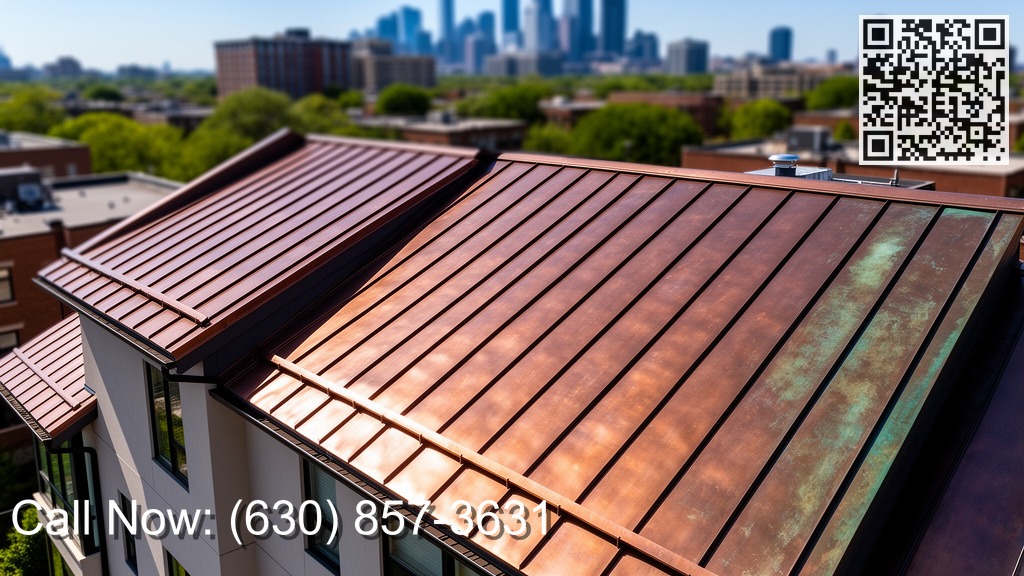
That's one reason artificial roof have acquired traction in position like Chicagoland. They are not immune to negative installment or bad air flow, since no roof is, yet quality artificial items are constructed to endure a wider range of environmental tension than several conventional materials. In a climate that regularly examines every element on the roofing system assembly, that tolerance matters.
Material engineering, not advertising and marketing, describes the appeal
A great deal of the value in premium synthetic roof boils down to what it is made of and just how it is made. The exact formula varies by brand, but numerous synthetic roofing roof shingles are created from engineered polymers, recycled composites, virgin materials, or blends designed to supply adaptability, resilience, and impact resistance without the fragility connected with all-natural slate or the upkeep worry of wood.
That versatility is a significant advantage in cold weather. All-natural products can fracture when struck by hailstorm or when emphasized during a deep freeze. Lower-end products may end up being brittle sufficient that simple roof traffic from a service specialist can trigger damages in winter season. Great synthetic materials often tend to remain even more steady throughout larger temperature ranges. They can soak up pressure much better, recuperate more effectively from effect, and stand up to splitting in manner ins which matter in the area, not simply in product brochures.
Weight is an additional functional variable. Traditional slate is attractive, but it is hefty enough that architectural capacity enters into the conversation. Some homes can support it. Others require reinforcement, which changes the spending plan fast. Synthetic options supply the look of slate or shake without including that exact same structural worry. For lots of homeowners, particularly those intending an artificial roof replacement on an existing home, that can streamline the project substantially.
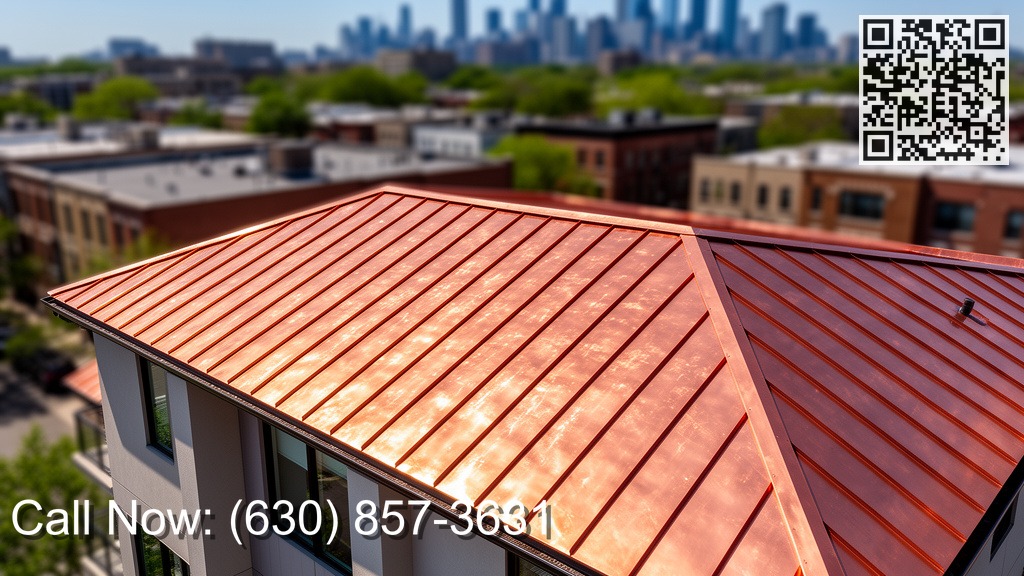
Hail resistance is where synthetic roofing systems often separate themselves
If you have actually ever before walked a community after a Midwest hailstorm occasion, the pattern ends up being apparent. You will see bruised asphalt, cracked ceramic tile, dented steel accessories, and insurance coverage adjusters relocating from house to residence. Hail storm is among the most expensive types of roof covering damages in the region, not just due to the fact that it causes instant effect damage, however due to the fact that it shortens the service life of materials that survive the first storm.
Many premium artificial roof covering items are made with impact resistance as a core marketing point. That matters because hailstorm performance is not just about whether a roofing system leaks the next day. It is likewise concerning whether the material has been endangered in such a way that will certainly cause premature failure two or three periods later on. A roofing can look appropriate from the road and still have fractures, granule loss, or hidden damage that speeds up aging.
On higher-end homes, especially those utilizing synthetic roof for deluxe homes, proprietors are usually attempting to protect both efficiency and appearance. All-natural slate can chip. Cedar can split. Some artificial options manage impact with less noticeable damages while maintaining the desired look of the roofing system airplane. That is a meaningful benefit in neighborhoods where aesthetic appeal carries genuine value.
I have seen instances where property owners at first rejected synthetic products since they assumed "composite" indicated light-weight in a bad sense, practically disposable. Then they managed full-size examples and saw testing data on impact performance, fire ratings, and wind resistance. The perception changed promptly. A good artificial roofing system should not feel flimsy. It should really feel engineered.
Freeze-thaw durability makes a quiet yet vital difference
Hail gets attention since it is dramatic. Freeze-thaw damages is quieter, slower, and just as expensive over time. Water finds its method right into small openings, freezes, expands, and expands those openings. Repeat that cycle usually enough and the roof covering assembly begins to weaken around vulnerable points. This is one reason the Midwest is so unforgiving to products that soak up wetness or end up being breakable in the cold.
Synthetic roofs do well right here partially because most of them withstand wetness absorption better than natural products. Timber can hold wetness. Some mineral-based products are at risk to cracking when water intrusion and cold integrate. Engineered synthetics, by comparison, are commonly less porous and less likely to experience the exact same internal breakdown.
That does not remove the need for appropriate underlayment, ice and water shield, air flow, and blinking detail. It merely suggests the noticeable roof product is less most likely to end up being the weak spot. For a property synthetic roof covering project, that can translate into less headaches in late winter season when ice dams, snow accumulation, and attic heat loss start revealing every error beneath the surface.
Wind performance matters greater than the majority of homeowners realize
Midwestern tornados are hardly ever gentle. Straight-line winds can be brutal, and also ordinary tornado fronts can produce gusts solid sufficient to make use of tiny installment errors. As soon as the edge of a roof covering system begins to stop working, the trouble can spread out promptly. That is why securing patterns, starter courses, ridge outlining, and perimeter steel matter so much.
Quality synthetic roof are commonly tested for high wind performance, and lots of items are manufactured with interlocking or protected attaching styles that assist them hold in unfavorable conditions. This is not just an item tale. It is a setup tale. A roofing system is only as trusted as the staff that installs it. Also premium products can underperform when the installer ignores manufacturer requirements or cuts corners on deck preparation.
That is why house owners trying to find artificial roof Chicago services or a synthetic professional roofer Chicagoland ought to pay close attention to installer experience. A synthetic roof covering firm that mainly installs standard asphalt and just occasionally collaborates with specialty composites may not approach detailing with the very same accuracy as a group that routinely takes care of building artificial roof covering. The distinction shows up where it matters most, around valleys, chimneys, skylights, hips, ridges, and transitions in between roof covering planes.
Appearance is part of the formula, particularly in established neighborhoods
The performance instance for synthetic roofing systems is solid, however visual appeals still drive numerous purchase decisions, specifically in older suburban areas, custom-home neighborhoods, and architecturally unique communities. Property owners desire a roofing that fits the design of the property. In places with historical impact or high style criteria, standard three-tab or perhaps basic dimensional asphalt can watch out of place.
This is where building artificial roofing has actually come to be particularly compelling. The very best products do not simply mimic slate or cedar from a range. They reproduce appearance, darkness lines, variation in density, and color depth in such a way that reviews as intentional and refined. On a steep-slope home with popular rooflines, that aesthetic effect can be substantial.
For home owners seeking artificial roofing Naperville IL or comparable high end suv markets, the visual versatility is often a making a decision element. Many of these homes are large enough that the roofing system is a significant building attribute, not a background surface. Artificial items permit proprietors to go after a slate or shake aesthetic without handling the architectural, upkeep, or weather-related downsides that natural products can generate this climate.
Lighter weight helps in both old homes and personalized homes
An usual false impression is that weight always equates to high quality. In roof covering, that is only partially real. Larger items might feel significant, yet they also position a lot more demand on the structure below. That can make complex both brand-new building and retrofit projects.
With artificial roof coverings, lighter weight usually ends up being a sensible advantage. On older homes, it may allow the owner to achieve a premium look without enhancing framework. On newer custom-made homes, it can use even more layout freedom while lowering structural load. On complex rooflines with turrets, dormers, flared eaves, or steep pitches, lighter product can likewise make managing and setup more secure and more efficient.
There is another real-world advantage. Roof teams collaborating with lighter synthetic materials can usually move extra exactly and with much less breakage during synthetic roofing system installation. All-natural slate and ceramic tile can break during handling. Wood can split or differ in quality from piece to piece. Artificial products are usually much more constant, which aids knowledgeable synthetic roofing system installers preserve appearance and placement across big roof areas.
Maintenance has a tendency to be more manageable
No roof covering is maintenance-free, and anyone encouraging that must be treated with caution. Branch abrasion, blocked gutters, badly vented attics, stopped working sealers, and storm damages can impact any product. Nevertheless, artificial roof usually minimizes the regular upkeep worry compared with cedar shake and a few other standard products.
Wood roofing systems, for example, usually need continuous surveillance for wetness retention, mold, mildew, insect activity, and splitting. Natural slate can last a very long time, but repairs can be specialized and pricey, specifically when matching products or working about vulnerable tiles. Asphalt is simpler, however it can lose granules, crinkle, or age unevenly under serious weather stress.
An appropriately installed property artificial roof commonly lands in a beneficial happy medium. It can provide an upscale look with less constant repair service need, fewer problems regarding rot or insect damage, and much better strength after common weather events. That does not suggest owners can disregard evaluations. It indicates the roofing is much less likely to penalize overlook immediately.
Installation top quality determines whether the product lives up to its promise
If there is one factor I would worry to any type of homeowner, it is this: the material is only half the job. The installer determines the rest.
A qualified synthetic professional roofer recognizes that specialized items call for more than common roof covering behaviors. Deck problem need to be examined honestly. Underlayment option needs to match climate demands. Blinking information should be upgraded where required, not reused since it conserves time. Infiltrations require mindful treatment. Air flow needs to be resolved, specifically in homes with a history of ice damming or uneven attic room temperatures.
When property owners talk to an artificial roof covering business, they must ask specific concerns about previous jobs, staff training, manufacturer familiarity, and how the business manages changes and accessory information. A solid professional will answer concretely, not slightly. They will talk about consumption and exhaust ventilation, ice barrier positioning, securing approaches, and why specific details matter in regional problems. A weak contractor usually changes the conversation back to price.
That is particularly important in markets like synthetic roof Chicago, where weather condition https://damienrnqv937.capitaljays.com/posts/exactly-how-an-artificial-professional-roofer-assists-protect-against-premature-roofing-system-failing exposure is extreme and building styles differ widely. A low quote can end up being costly if the installer ignores the sensible demands of the home.
Cost is greater upfront, but that is not the whole calculation
Synthetic roof generally costs much more upfront than basic asphalt shingles. That much holds true. For some home owners, the costs is significant enough to rule it out quickly. For others, the choice is less regarding access cost and more concerning lasting value.
A roofing system must be evaluated over its service life, not just by the contract quantity signed on setup day. If an artificial roofing uses far better resistance to hail, wind, fracturing, and weather-related aging, there can be fewer fixings, fewer premature replacements, and less aesthetic wear and tear over time. On homes where appearance matters, avoiding a noticeably weary roofing system after a fairly brief period has worth as well.
Insurance considerations can also get in the photo, though this varies by carrier and plan. Some impact-resistant items may receive discount rates in particular cases, while others might not. Home owners should validate details straight with their insurance firm as opposed to thinking a benefit.
The better method to think about cost is to ask a more useful inquiry: what am I buying past the product itself? If the solution consists of boosted tornado durability, a costs building appearance, lower maintenance pressure, and the possibility of a longer solution horizon, after that the greater preliminary financial investment can make sense, especially for long-term owners.
Where artificial roof covering makes one of the most sense
Synthetic roofing is not immediately the best fit for every home. Budget-driven jobs on moderate buildings may be better served by top notch asphalt if the owner expects to relocate soon. Some historic districts have product constraints that require mindful evaluation. And not all artificial items are equivalent. There is a vast array between commodity-grade imitation products and well-engineered costs artificial roofing.
Still, artificial roofing systems are specifically engaging in a few common situations:
- homeowners changing cedar or slate however desiring much less upkeep and better storm resistance
- custom homes where the roofing is a major aesthetic feature
- properties in hail-prone or wind-prone locations across the Midwest
- long-term ownership situations where lifecycle value matters greater than the lowest bid
- projects where structural weight is an issue however a deluxe appearance is still desired
Those use instances show up often in the Midwest since the region incorporates harsh weather condition with a large real estate stock that includes every little thing from century-old homes to expansive new builds. Few roofing categories offer that array as successfully as synthetic roof covering systems.
A better match for the climate homeowners in fact live in
The reason artificial roof coverings master extreme Midwestern weather conditions is not strange. The area requires a material that can lose without ending up being a maintenance worry, and premium artificial products are built with precisely that challenge in mind. They withstand impact much better than lots of standard products, deal with freeze-thaw stress well, stay clear of the weight charges of slate, and provide a degree of design adaptability that interest both sensible and design-conscious homeowners.
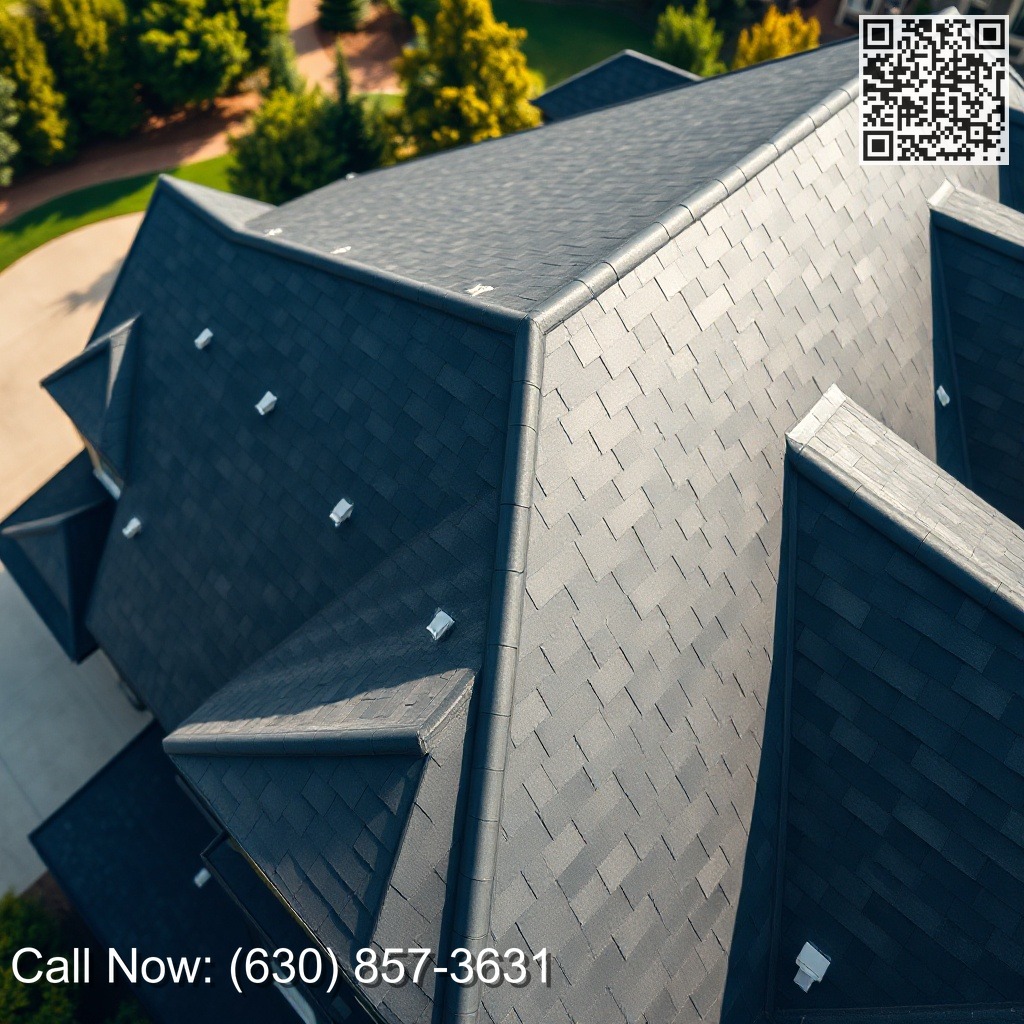
For a home owner examining artificial roof installation, the smartest strategy is to treat it as both a material decision and a service provider decision. The product must be shown. The installer needs to be experienced. When those two items line up, the outcome is a roof that does greater than survive Midwest weather. It remains attractive, dependable, and structurally practical through the sort of seasons that expose weak choices fast.
That is why numerous homeowners that begin the procedure looking for a premium appearance wind up choosing synthetic for a more grounded reason. It fits the climate. And in the Midwest, that might be the most crucial function a roof can have.
When Quality Matters
Salvo Architectural Roofing Contractors
566 West 5th Ave Naperville, IL 60563
(630) 857-3631
 Ask ChatGPT
 Ask Grok
 Ask Perplexity
 Ask Claude
 Ask Google AI
 Ask You